

How Hospital Employment Has Changed in 20 Major Metros
Hospitals have added more than half a million jobs nationwide over the past decade. Just in the past year, hospital employment grew by 152,000, or about 3 percent, Bureau of Labor Statistics data shows. The U.S. population is growing and aging, and people are living longer.

The Challenges of Natural Language Processing (NLP) in Healthcare Tech
To say that NLP has been a hot topic of 2023 would be an understatement. When OpenAI released ChatGPT—the first open-source generative AI model—it launched a paradigm shift in the tech world. Companies like Google, Amazon, and Meta were sent scrambling to the drawing boards to conjure up their own versions.

How the Cancer Genome Atlas Drives Groundbreaking Research
In 2005, TCGA sought to collect and analyze large-scale genomic data from thousands of tumor samples across multiple cancer types. The project focused on characterizing the genetic mutations, gene expression patterns, and epigenetic modifications in cancer cells.

What is Information Blocking Compliance in Healthcare and Why is it Prevalent?
The digital revolution in the health sector has long promised a future of a smoother, faster healthcare system: a new reality where hospitals’ clinical workflow will be streamlined, where interactions with insurance companies will be automated, and spreadsheets and fax machines will become relics of the past.
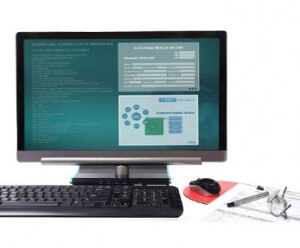
What Health Information (HI) Workers Should Know About Patient Privacy Rights
The concept of patient privacy is at least as old as the Hippocratic Oath, fragments of which date back to the third century. Today, it is as relevant as ever. Not only does privacy remain fundamental to patient-provider trust, but it’s also taken on new meanings. Health apps, fitness trackers, and electronic health records (EHRs) are all part of an explosion of health-related technology that, unified by the internet, has created a torrent of personal health data stored in various states of security.
Technology in Healthcare: Medical Education Software
Virtual reality simulations, augmented reality tools, and advanced medical software are driving transformation in medicine, offering hands-on experiences that allow students to practice complex procedures and develop sound judgment without real-world consequences. This educational technology cultivates confidence and proficiency and deepens understanding of patient care nuances.

How Good Data Improves Patient Outcomes: Best Practices & Advice
For more than 4,000 years, humans have been keeping medical records. Everything from examinations, treatment plans, outcomes, and follow-ups have been charted on papyrus, tablets, and ancient books. In more modern times, paper charts have been the gold standard till they were replaced with electronic health records (EHRs) in 2011. These records have served individually to care for individual patients and aggregately to inform decisions system wide.

Medical Coding and AI: The Future of EHRs
As artificial intelligence (AI) has become more advanced in recent years, technologists and healthcare professionals have noticed many opportunities for AI-based tools to improve the healthcare industry.

The Biases of Medical Technology—and How to Overcome Them
Bias in medicine is pervasive and results in systematic errors or prejudices that can influence medical decisions, research outcomes, and patient care. These biases, conscious or unconscious, can be towards race, gender, socioeconomic status, or personal beliefs of healthcare providers. While healthcare providers can be made aware of their bias and develop techniques to combat it, bias in medical technology can only be addressed by changing the hardware or software.

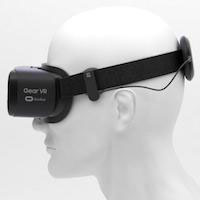
Technology in Healthcare: Medical Education Hardware for Simulations
Video game enthusiasts have long enjoyed escaping reality to roam simulated worlds and alternate universes, from prehistoric jungles to sci-fi fantasy lands. However, the two-dimensional nature of video games has always been a glass ceiling, blocking the complete suspension of disbelief that gamers seek.